

Licensing and Taxing the Business of Self-Storage
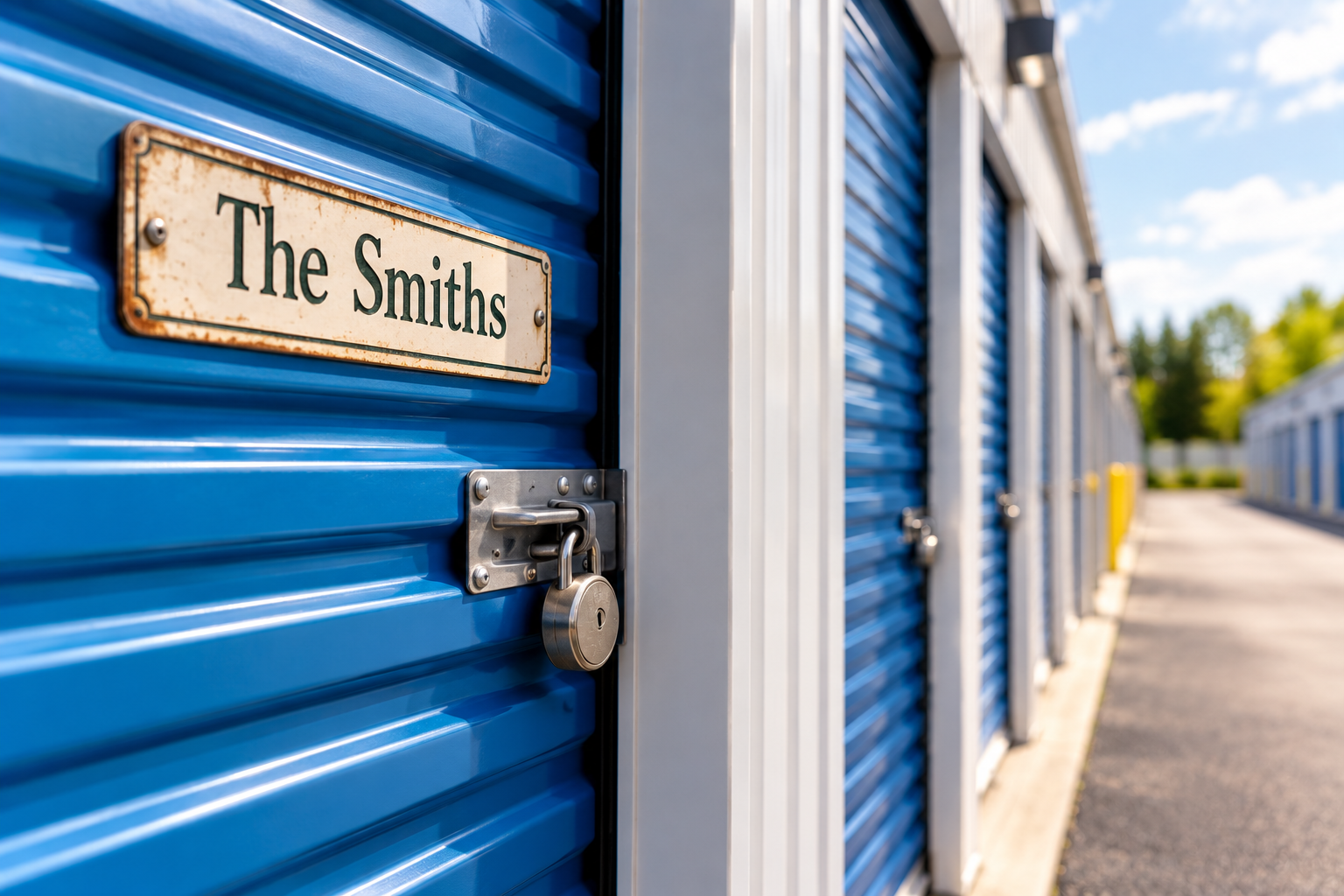
Much has already been discussed on the new laws in the City of New York that now require self storage facilities to be licensed in order to operate within the City of New York or to be subjected to fines that exceed $1,000.00 per day.
The Department of Consumer and Worker Protection (“DCWP” or “Department”) has also added rules to implement the Licensing Laws and further require that self-storage facilities provide certain fee disclosures to consumers seeking to prohibit alleged deceptive and unconscionable trade practices. Finally, the Department is updating its storage warehouse rules for consistency with the Licensing Laws.
Self-Storage Facility Rules Local Law 171 of 2025 added a new licensing requirement for self-storage facilities and requires self-storage facilities to provide a schedule of rates to consumers prior to entering an occupancy agreement, as well as to the Department upon request. It also prohibits self-storage facilities from collecting any rate or charge not included in the schedule of rates without prior notice to the consumer.
Storage Warehouse Rules Local Law 162 of 2025 and Local Law 171 of 2025 also amend the existing storage warehouse licensing scheme, notably requiring at least 60 days’ notice to a consumer prior to increasing their storage rental rates.
Operators, along with the New York Self Storage Association and the national Self Storage Association, have recently filed a lawsuit against the City and the DCWP seeking to stay the enforcement of many of these new laws. The lawsuit highlights the ambiguities and inconsistencies within the law and its unfair enforcement against the self storage sector.
At the same time, operators in Prince George’s County Maryland also recently filed a lawsuit against the County for their recent approval of “use and occupancy fee” that is being charged to self storage operators in the County. Other businesses included in the tax are businesses selling alcohol, tobacco and guns.
On April 21, 2026, the Prince George’s County Council enacted Council Bill 017-2026 (“CB-17”). CB-17 became law without the signature of the County Executive. Prince George’s County Charter, § 411. 5. CB-17 purports to impose an annual $5,000 use and occupancy permit “fee” on four types of businesses: liquor stores, storage facilities, businesses that sell firearms, and tobacco and electronic cigarette shops. In CB-17, the Council made a legislative finding that these businesses “have a particularly detrimental impact upon Prince George’s County’s quality of life.” The legislation also refers to these uses as “Special Quality of Life Impact Uses.” CB-17, County Code, § 27-253.63(j).
Subsequent to the passage of the new Ordinance, a lawsuit was filed by impacted businesses claiming that the “fee” was a tax outside of the taxing authority of the County.
The lawsuit was brought by a group of affected businesses, including self storage operators. Claim that the Prince George’s Council grossly exceeded the legislative authority delegated to it by the General Assembly and the Maryland Constitution. 16. Prior to the enactment of this recent law, use and occupancy permit fees were typically a one-time payment of around $370 for all businesses. The Council has now singled out and targeted four types of businesses that it has deemed “disfavored,” and is charging them more than 13 times the usual use and occupancy fee amount, and doing so every year, while all other businesses continue to pay a one-time fee of $370.
The lawsuit states: “These covered businesses—which the County Council views as having a negative “qualify of life impact”—are being extensively burdened and charged significantly more than other businesses for the exact same regulatory service of inspecting and approving occupancy. CB-17 is unlawfully targeting stores in the County that are legally permitted to operate.”
What are self storage owners and operators to think when they begin to watch these governmental regulations encroaching on their industry? Why are self storage operators being singled out? Absent some antidotal allegations spread among hundreds and hundreds of facilities over many, many years, there is no proof that self storage operations constitute a detriment to local communities and fall within the grouping of businesses that must be licensed or taxed for issues of public safety.
It is time for operators to remind local legislators and council persons to more carefully study the economic and social value provided by self-storage businesses to local communities. It will certainly be important for operators throughout the country to continue to watch for updates regarding these pending lawsuits.
More Content
Popular Posts
Joe Shoen is taking a stand. In our...

Self-storage software is no longer...

Joe Shoen has had enough.

The self storage industry is in a precarious...

From policy pivots in Ottawa to tariff...

This interview is from July 24, 2024.

Joe Shoen, CEO of U-Haul, has had enough.
Some recent lower court decisions have been...

Rising tides lift all ships, but in 2025 it...

In a record-breaking deal finalized May 12,...
Recent Posts
Much has already been discussed on the new...

Brad Relford’s career didn’t start in...

Innovation often begins with curiosity....

Most growth strategies in self-storage...

Stability and resiliency in the...

The age of artificial intelligence poses a...